
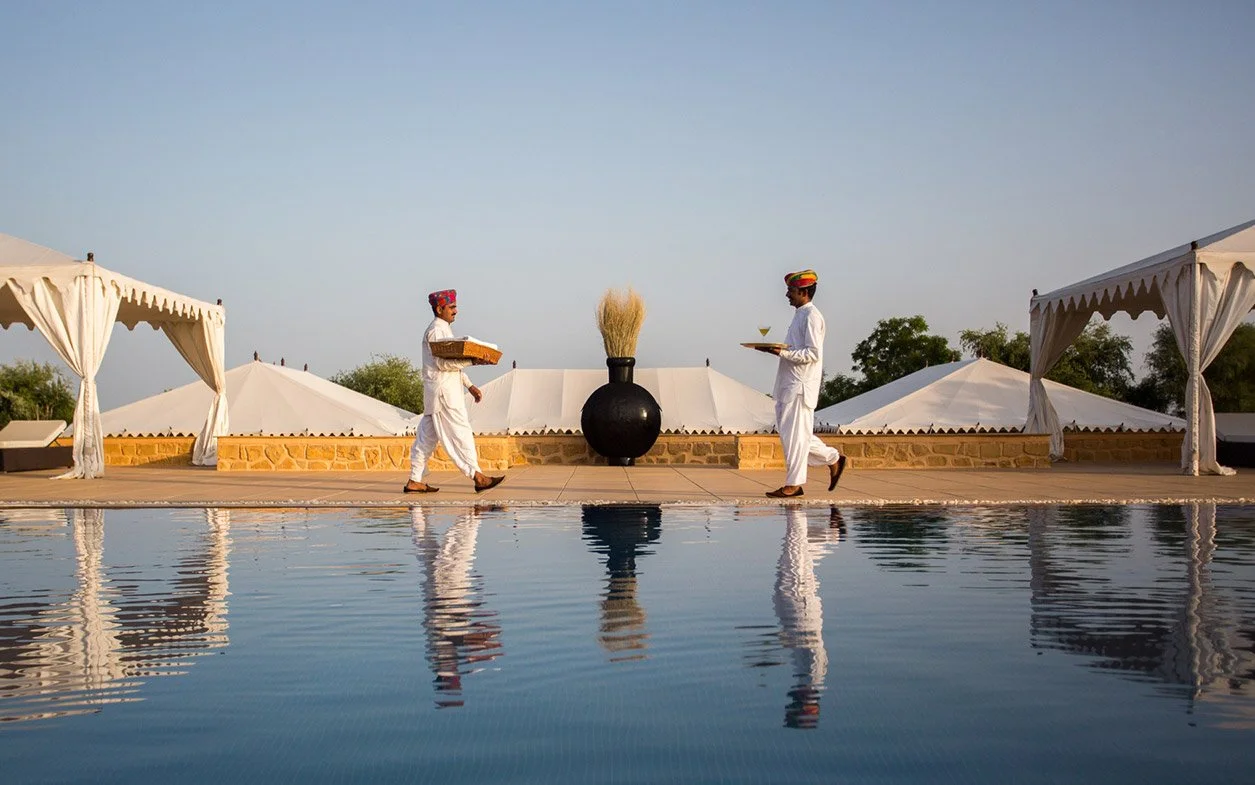
SUJÁN is a family-owned collection of wilderness camps with its roots in Ranthambhore, where the Singh family first became involved with the forest and its tigers more than fifty years ago. Hospitality came later, as a way to support the landscapes, wildlife, and communities they had grown to care for deeply. Today, that commitment extends across three camps in Rajasthan, with every guest contributing directly to conservation and community projects through their stay. It is a story in which family, hospitality, and responsibility have always belonged together.
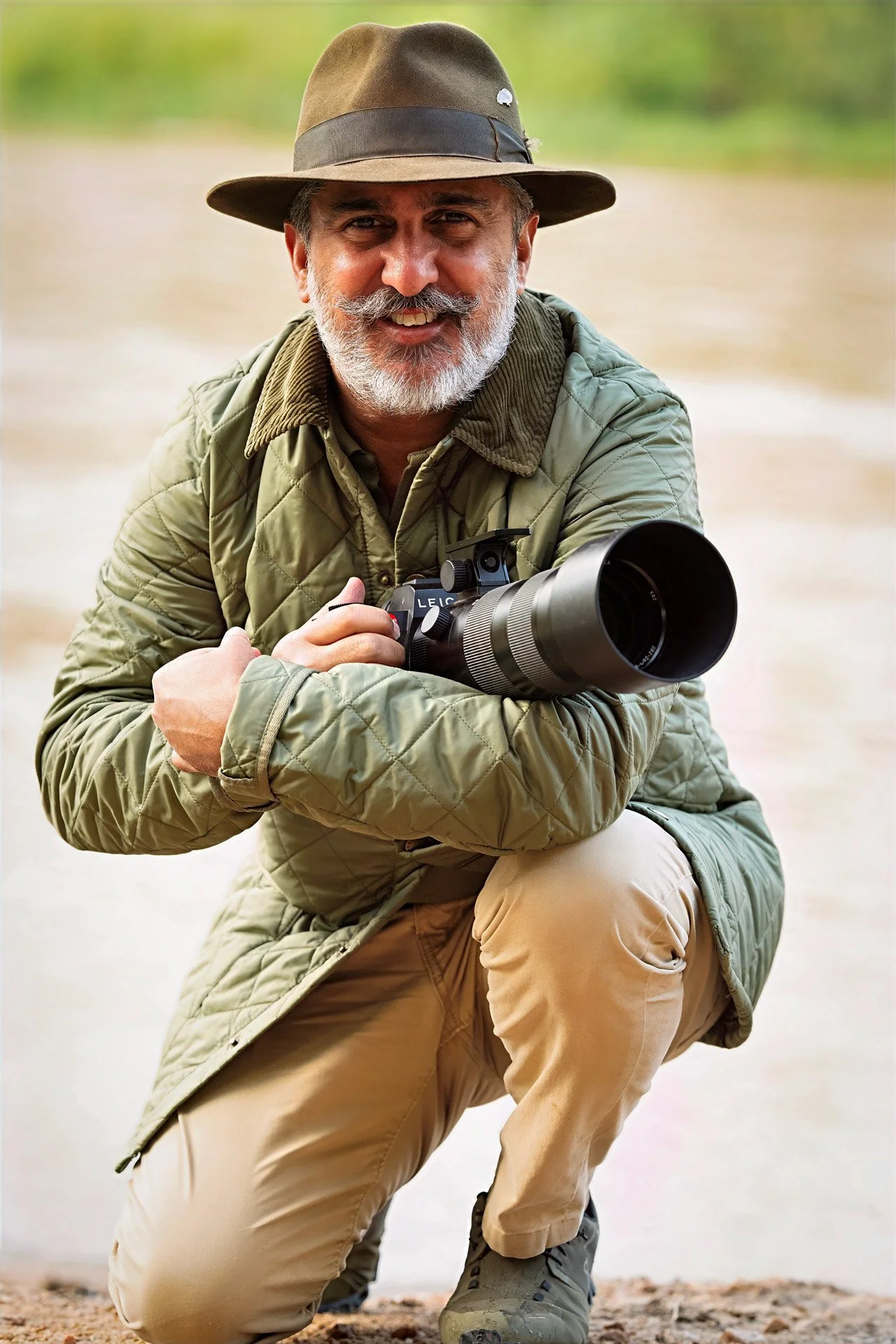
For founder Jaisal Singh, the story is personal. He spent much of his childhood tracking tigers in Ranthambhore, following the work of his parents and his uncle, the conservationist Valmik Thapar. Those early experiences eventually led him to open SUJÁN Sher Bagh in 2000 and to develop a model of tourism in which the success of a camp is closely tied to the well-being of the place around it.
In conversation with Vilāsita, he speaks about the family history behind SUJÁN, what responsible tourism demands in practice, and why its benefits must extend beyond the camp. He also considers what discerning travelers rarely expect from a stay in the wild, and the principles SUJÁN will carry into its next chapter on the Lower Zambezi.
1. SUJÁN grew out of your family’s life in Rajasthan’s wild places. What first drew you there, and what does SUJÁN stand for?
My family’s connection to Ranthambhore began long before SUJÁN. My parents first arrived in 1974, when it was still largely unknown, and their work filming its tigers helped bring it to the world’s attention. My uncle, the late Valmik Thapar, devoted nearly five decades to Ranthambhore and became one of the world’s most powerful voices for the tiger; his books and films made its tigers famous far beyond India. I spent much of my childhood there, leaving school in Delhi whenever I could to track tigers. That is what led me to open Sher Bagh in 2000.
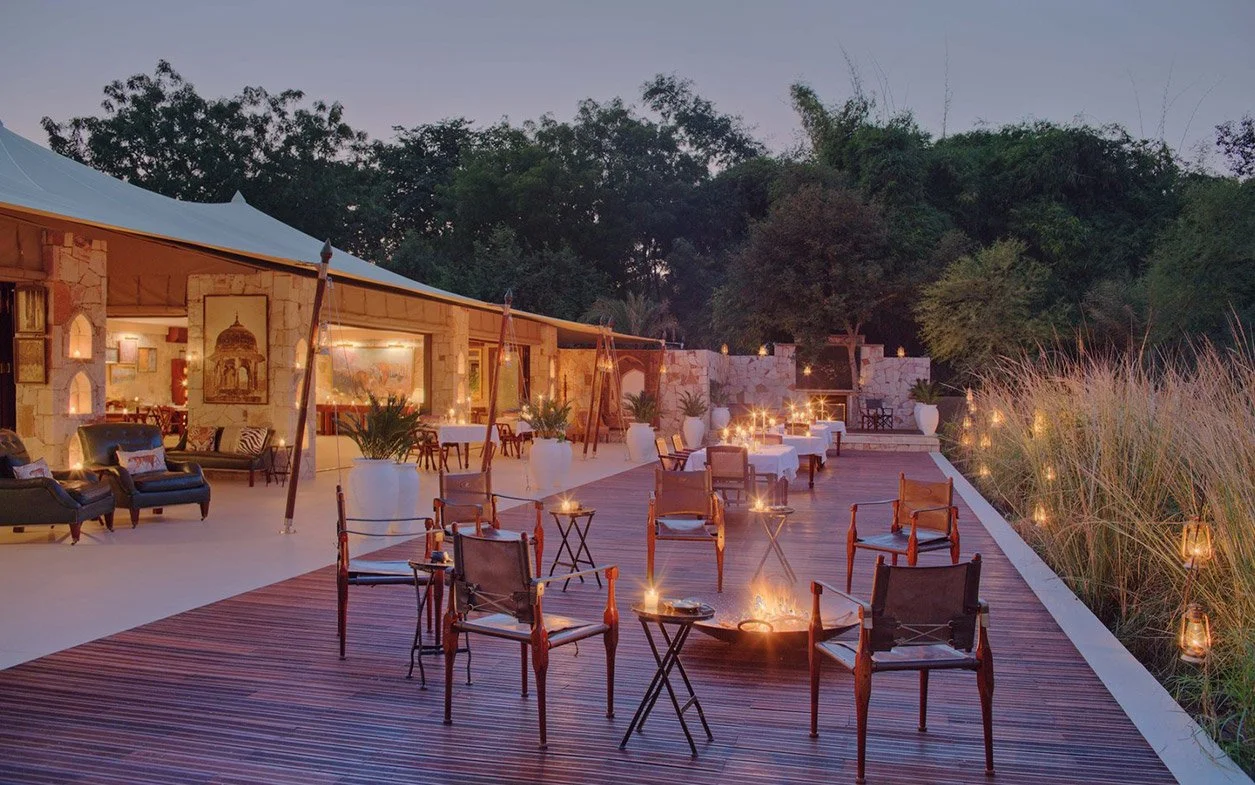
Conservation came long before SUJÁN. For more than fifty years, protecting these landscapes has been my family’s passion and purpose; SUJÁN was simply the means to give that commitment greater reach. SUJÁN funds and leads that work itself, and every stay contributes to it: each guest’s booking includes a conservation contribution of INR 2,500 per person per night, invested in full in our conservation and community projects through ValuEarth Conservation. SUJÁN is a positive-impact tourism model: simply by choosing to stay with us, guests make a real difference to the people and the wilderness of the places we call home. Conservation is not something we added to SUJÁN. It is why SUJÁN exists.
2. How has the balance between luxury and landscape evolved as SUJÁN has grown?
We have learned that the greatest luxury is a genuine sense of place. We have never opened a camp simply because it made commercial sense; each one exists because my family has a deep-rooted connection to that landscape. Our camps were never meant to compete with their surroundings, only to belong to them.
Every design tells the story of its place: its culture, its people and its wildlife. At Sher Bagh, the stone echoes that of Raj Bagh, the old palace within the national park. At SUJÁN JAWAI, flashes of scarlet honour the turbans of the Rabari communities who share the hills with the leopards. At The Serai, desert sandstone and textiles root the camp in the Thar. Each camp tells and shares the story of where it stands.
Anjali, our Creative Director, has shaped much of this, working with local craftspeople so that each camp feels part of its landscape rather than placed upon it. As we have grown, we have refined the guest experience while deepening our commitments to conservation, our teams and our neighbours. Luxury and responsibility are not competing ideas; done well, each strengthens the other.
3. Sher Bagh, The Serai and JAWAI each have their own character. How would you describe them, and what still moves you when you return?
Each reveals a different side of Rajasthan.
SUJÁN Sher Bagh is the grande dame: the original, and the most personal, given my family’s long history in Ranthambhore. Its forests, ruins and tigers belong to a landscape I have known since childhood.
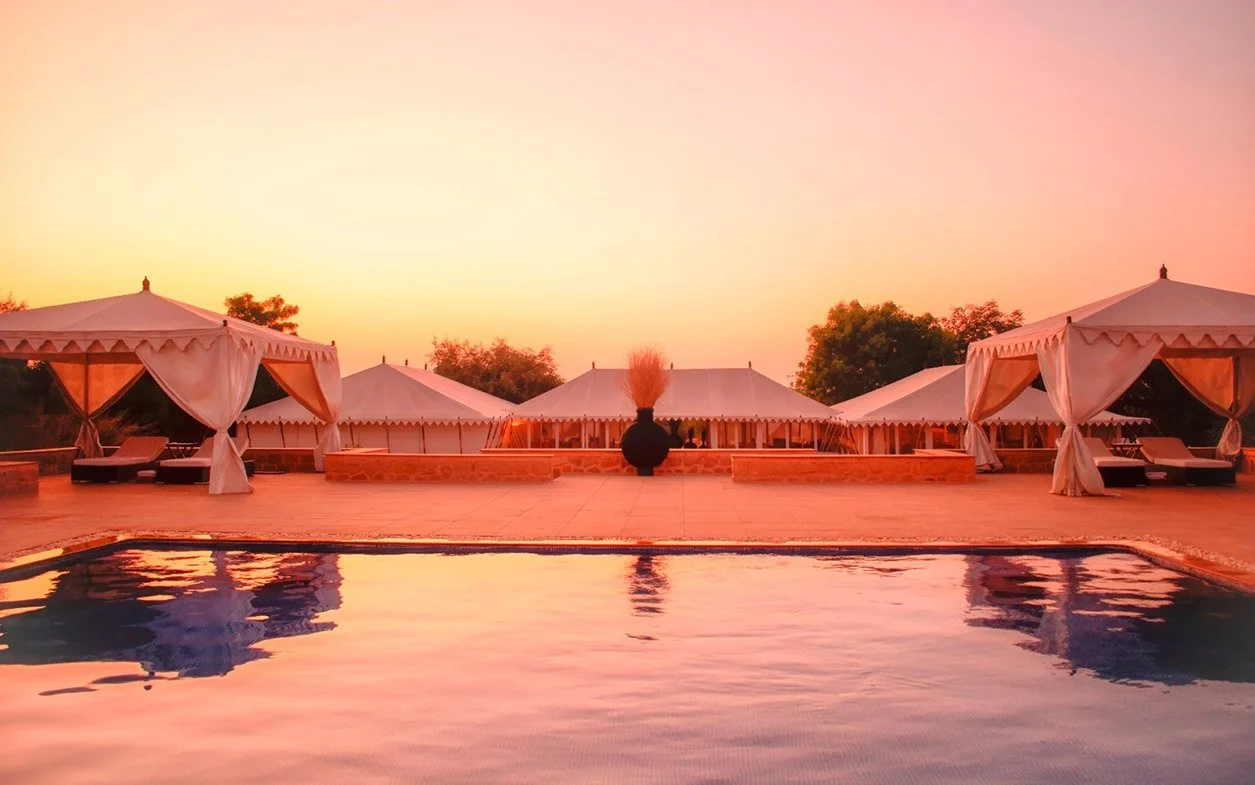
SUJÁN The Serai followed, capturing the romance and quiet grandeur of the Great Thar Desert. The stillness as the light fades over the dunes never loses its magic, it’s a place for rest and rejuvenation and absolute calm whilst enjoying the rich desert culture.
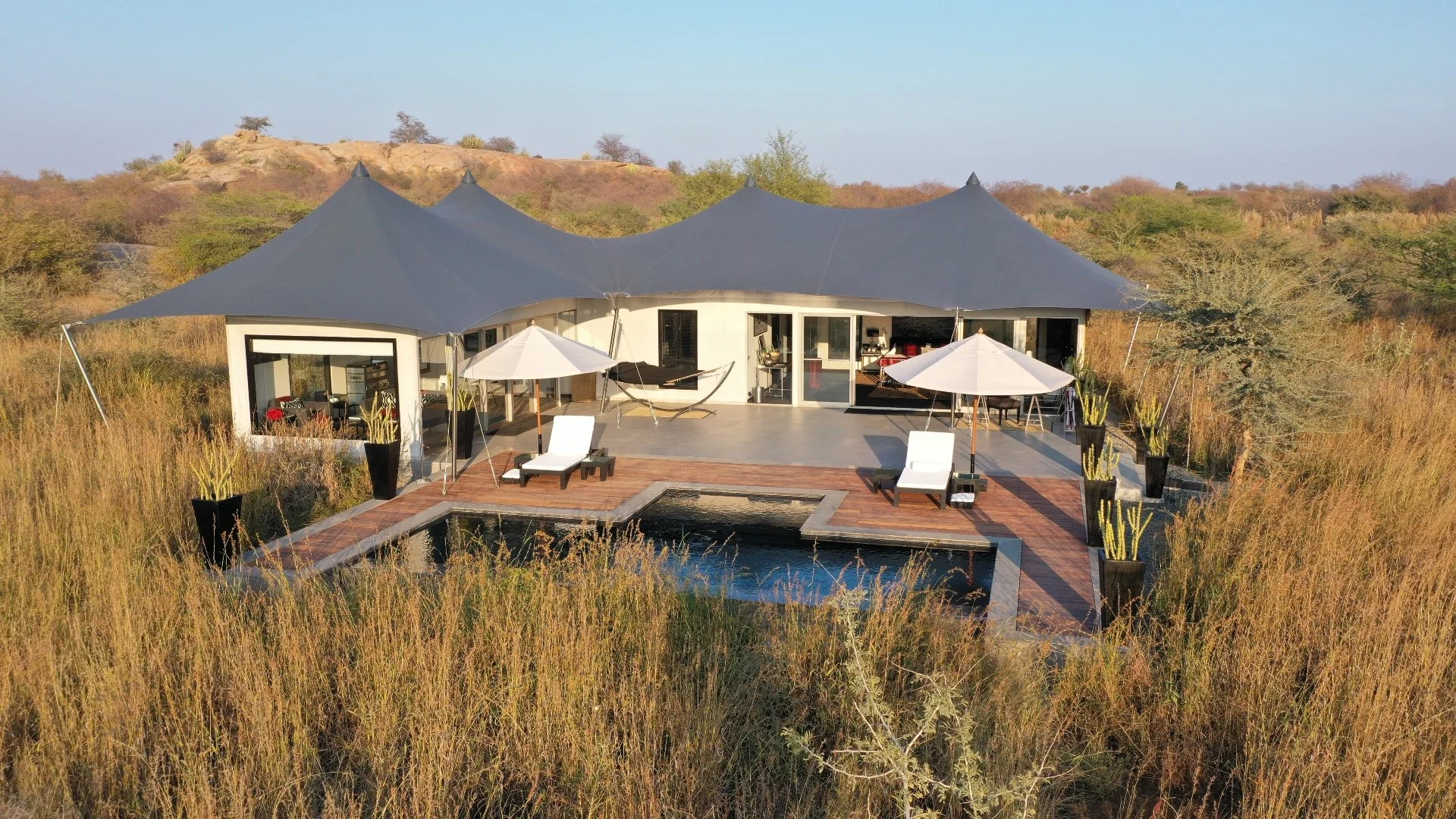
SUJÁN JAWAI, our pioneering conservation tourism project is the most contemporary of the three, and unlike anywhere else I know: ancient granite hills, leopards, and Rabari herders who have shared this land with them for generations. We have poured an enormous effort and investment to protect a remarkable wilderness and its story of coexistence.
What still moves me is that no two days are ever the same. Nature has a way of reminding us that we are simply visitors in its world.
4. Local employment, cuisine and craft are often described as sustainable. What does that look like in practice?
Responsible tourism has to be practised, not just described, and it begins with people. We hire locally, invest in training and build long-term careers within SUJÁN. Our kitchens celebrate regional ingredients and traditions, so guests discover Rajasthan through its food as well as its landscapes.
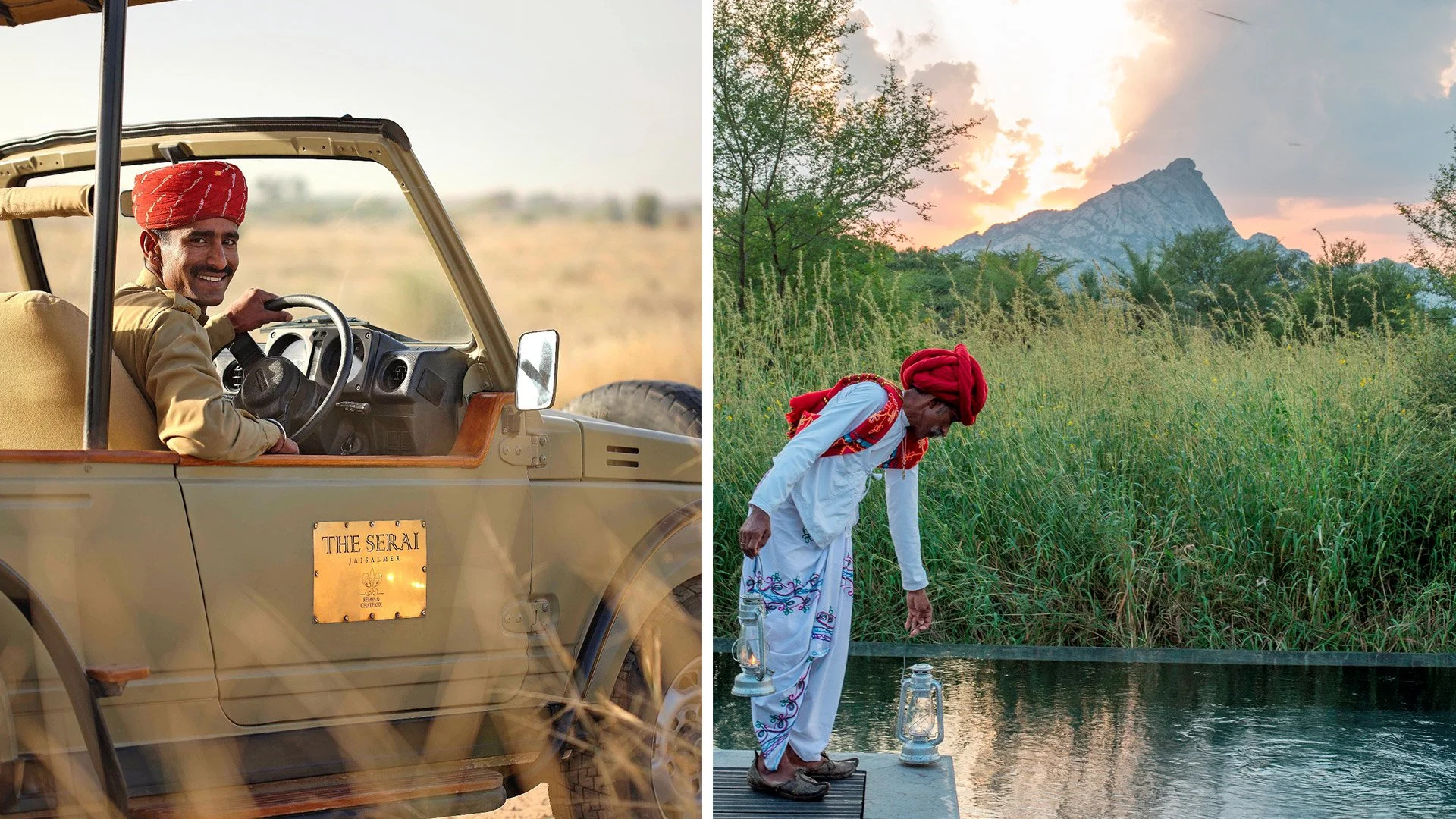
As Creative Director of SUJÁN my wife Anjali works closely with local artisans, and the textiles, furniture and decorative pieces in our camps help keep traditional skills alive and support the families who practise them. The test is simple: the benefits of tourism must reach well beyond our camps.
5. At JAWAI, leopards and people share the same land. How do guests become part of that story?
SUJÁN JAWAI was a pioneering conservation tourism project, and one of the most ambitious hospitality projects we have undertaken. We have invested an enormous amount of effort and capital in protecting this remarkable wilderness, and in proving that tourism could help keep it wild. For generations the Rabari have grazed their herds on hills where leopards live; it is one of the most extraordinary stories of coexistence I know.
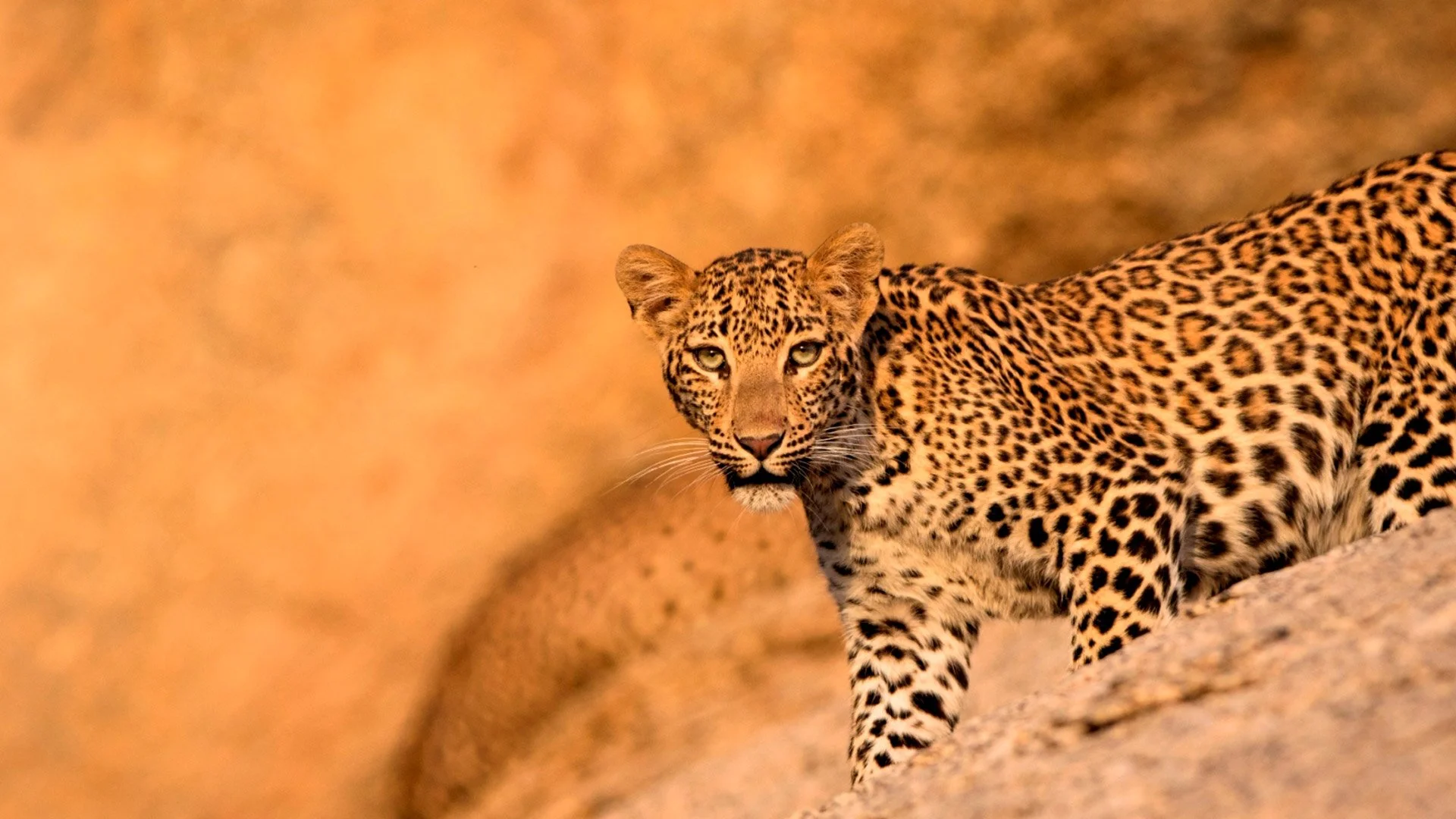
Guests come for the leopards, but they leave understanding far more. Through our guides, time in the landscape and an introduction to Rabari culture, they see the delicate balance that lets people and wildlife live side by side. Our conservation work supports these communities and protects the habitat both depend on, from a free mobile medical service six days a week servicing over 20,000 people annually to ten adopted schools reaching more than 5,000 students.
6. What should American travellers visiting India for the first time expect, and what might surprise them most?
Rajasthan is a wonderful introduction to India’s landscapes, wildlife and heritage. What surprises most first-time visitors is how varied and intimate it can be. In a single journey you might track tigers in Ranthambhore, watch leopards on the granite hills of JAWAI and sit in the silence of the Thar Desert.
Many arrive with fixed ideas about India and discover something far more layered and personal. Our role is to make that feel effortless, with warm, intuitive hospitality from the moment they arrive.
7. For advisors working with discerning clients, what about SUJÁN’s approach do clients rarely expect?
The depth of our connection to each place and the amount we give back. Every camp grew from a genuine passion for its landscape, wildlife and culture, and a long-term commitment to protecting them.
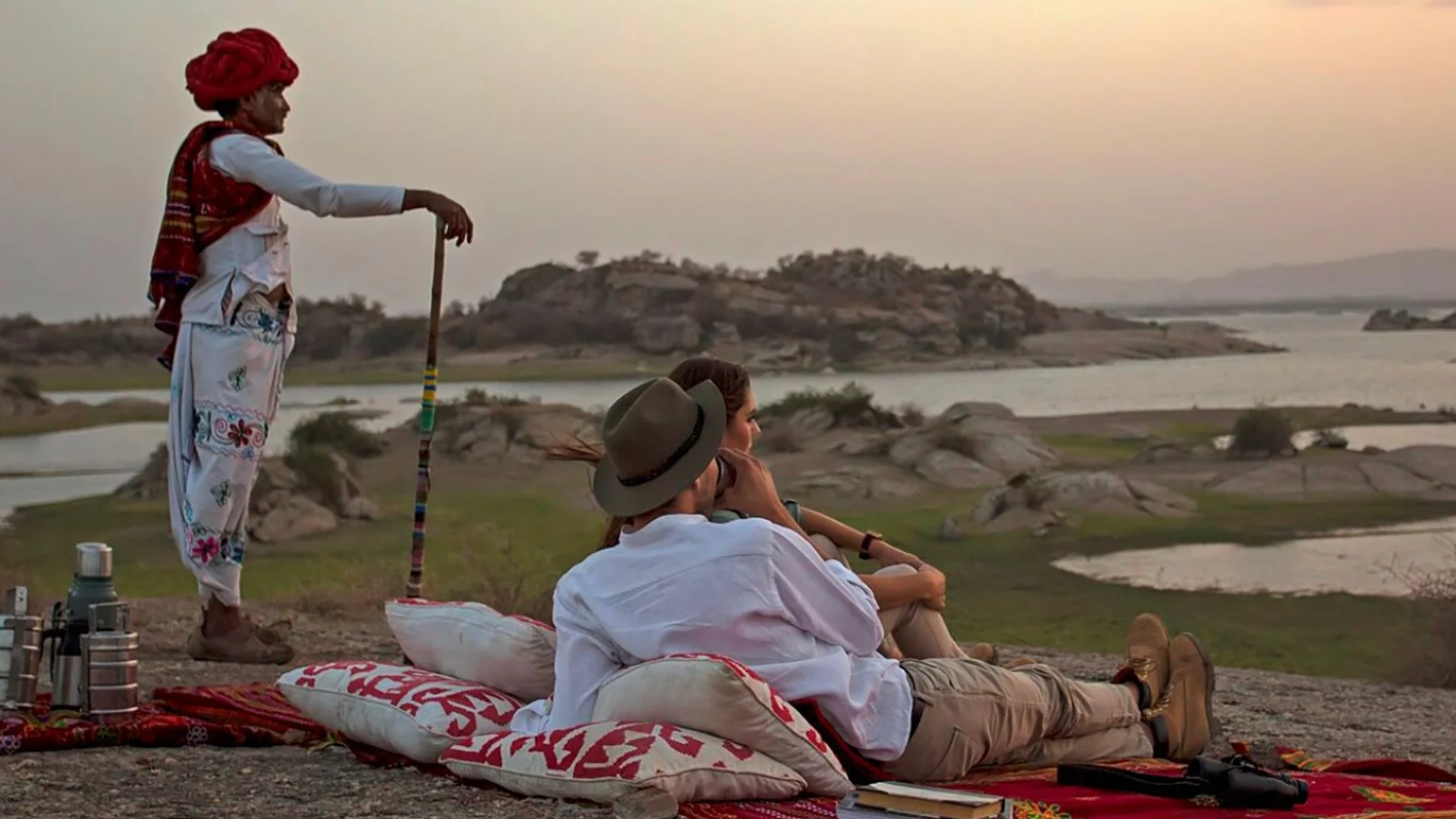
We invest heavily in our guiding and the knowledge of our teams, and we have never used a formula that can be copied from one destination to the next. We also work closely with advisors to place our camps within wider India journeys, so they become the heart of the trip rather than a stop along the way. The most meaningful luxury cannot be manufactured. It comes from truly knowing a place and the people who bring it to life.
8. SUJÁN is taking its conservation-led philosophy to Zambia with Chiawa Camp and Old Mondoro on the Lower Zambezi. What drew you to these camps, and what will guests who know SUJÁN in India recognise there?
Africa has always held a special place in our hearts, and joining the Lower Zambezi’s conservation story felt like a natural next chapter. We were drawn not only by the beauty of these camps but by their history, their exceptional guiding and their long commitment to protecting the wilderness. Those values mirror our own, and our first responsibility is to honour that legacy.
Guests who know SUJÁN will recognise the same personal hospitality, attention to detail and passion for wildlife. What will feel new is the landscape itself: the Zambezi lets you explore by boat, on foot and by vehicle, meeting wildlife from entirely different perspectives.
Old Mondoro reopens as SUJÁN Old Mondoro in May 2027, and Chiawa Camp follows as SUJÁN Chiawa Camp in June 2028 after a full refurbishment. We are not recreating Rajasthan in Africa. We are celebrating what makes the Lower Zambezi unique, while staying true to the principles that have always guided SUJÁN.